The thrill of uncertainty
The psychology of gambling is deeply rooted in the human fascination with chance and uncertainty. When individuals step into a casino, they are not just participating in games; they are engaging with their own expectations and emotions. The unpredictability of outcomes fuels excitement, as every roll of a die or spin of a slot machine is laden with the potential for a win, especially when considering options like ontario online casino fast withdrawal that enhance the experience. This thrill often triggers the release of dopamine in the brain, creating a rewarding feeling that gamblers chase with fervor. Over time, this emotional response can foster an addictive cycle, compelling players to return in search of that elusive high.
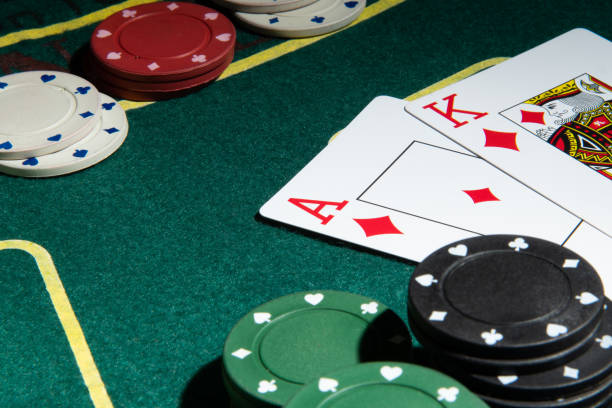
Moreover, the anticipation leading up to a game can be just as stimulating as the gameplay itself. Gamblers often find themselves lost in the build-up of excitement, contemplating the possibilities while waiting for the results. This psychological phenomenon, known as ‘anticipatory pleasure,’ can make the act of gambling feel rewarding even if the outcome is not favorable. The very act of engaging in casino games becomes a complex interplay between hope, risk, and the human desire for narrative—a storyline where one can envision themselves as a winner.
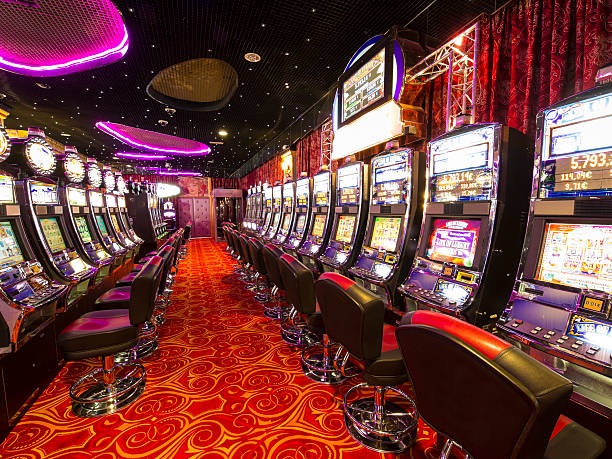
In addition, casinos are designed to enhance this psychological effect. With their vibrant lights, sounds, and the intoxicating atmosphere created by crowds, they amplify the sensory stimulation. This environment plays into our primal instincts, making it difficult for people to resist the allure of playing. The combination of the unknown and the sensory overload creates a unique setting where individuals lose track of time and rational thought, often leading them to gamble more than they initially intended. The engaging atmosphere not only heightens excitement but also reinforces the desire to keep playing, as the surroundings become a catalyst for impulsive decisions.
The social aspect of gambling
Gambling is often viewed as a solitary activity, yet it possesses a strong social component that plays a crucial role in our motivation to engage in these games. When individuals participate in casino games, they frequently do so in groups or pairs, sharing the experience with friends or family. This camaraderie enhances the thrill of gambling, as players celebrate wins together or provide consolation during losses. The social interactions can amplify emotional responses, making the gaming experience more memorable and enjoyable.
Moreover, the community aspect of gambling extends beyond personal relationships. Casinos frequently organize events, tournaments, and promotions that bring players together. These gatherings create a sense of belonging among participants, where they can share strategies, discuss their experiences, and exchange stories. Such interactions foster a unique culture around gambling that can be both engaging and supportive, encouraging individuals to return to the casino not just for the games, but for the community as well. This environment fosters friendships and bonds that can last beyond the casino walls, enriching the overall experience of gambling.
In addition, the social nature of gambling can enhance the overall experience through competition. Individuals may be motivated by the thrill of competing against others, be it at a poker table or during a slot machine tournament. Friendly rivalries can emerge, pushing players to improve their skills and strategies. This competitive spirit can transform gambling into a social sport, where the enjoyment is derived not just from potential financial gain, but from the friendships and interactions that flourish in the process. The social dynamics involved in gambling can serve as a powerful motivator, encouraging individuals to engage in gaming activities more frequently.
Psychological rewards and behavioral conditioning
The psychological rewards associated with gambling extend beyond the immediate thrill of winning. Over time, players may develop conditioned responses to the act of gambling, where the brain begins to associate the environment and the act itself with positive emotions. This phenomenon is closely linked to behavioral conditioning, where rewards reinforce certain behaviors, making them more likely to be repeated. As gamblers experience wins, even small ones, it creates a positive feedback loop that compels them to return for more. The anticipation of potential rewards becomes a driving force that fuels gambling behavior.
Furthermore, casinos utilize various strategies to enhance this behavioral conditioning. The concept of “near misses” is particularly effective in eliciting engagement. When players almost win, their brains register this as a partial success, which can increase the desire to keep playing. This phenomenon often leads to an overestimation of one’s chances of winning, further perpetuating gambling behaviors as players believe they are on the brink of a breakthrough. The emotional highs tied to these near misses can create a powerful compulsion, drawing players back into the gaming environment.
The interplay between psychological rewards and behavioral conditioning can create a powerful drive for individuals to engage in gambling over time. Many players may find themselves revisiting casinos, not solely for the financial aspect, but for the emotional rollercoaster that gambling provides. This cycle illustrates the complexity of gambling as it weaves through human psychology, highlighting the profound connection between behavior and emotion in the realm of casinos. Understanding these psychological mechanisms can help in recognizing the motivations behind gambling and potentially addressing harmful behaviors.
The impact of chance on identity and self-perception
The role of chance and luck in gambling can greatly influence a person’s identity and self-perception. Many gamblers develop a narrative around their experiences, often framing themselves as either ‘lucky’ or ‘unlucky’ individuals based on their performance. This self-identification influences their behavior at the casino and beyond, impacting how they view themselves, their capabilities, and their decision-making processes. The belief in luck can shape attitudes toward risk and financial management, leading to both positive and negative outcomes in their lives.
In some cases, individuals may embrace the identity of a ‘gambler,’ making it a core part of who they are. This identity can shape social interactions and personal aspirations, as they seek fulfillment from their gambling experiences. However, this coupling of self-identity and gambling can lead to negative consequences, particularly when it fosters an unrealistic view of luck and financial stability. Gamblers might convince themselves that mastering their game will alter their fortunes, leading to reckless decisions and financial hardship. The emotional weight of this identity can lead to a cycle of despair, particularly when luck does not favor them.
The psychological implications of identity in gambling are profound. Players may oscillate between confidence and despair based on their outcomes, experiencing highs with winning and lows with losses. This dynamic can influence mental health, as individuals may struggle to cope with setbacks, feeling pressure to reclaim their losses. The significance of chance in gambling highlights a broader conversation about resilience, self-worth, and how individuals navigate their personal narratives in a world heavily influenced by luck. Understanding this interplay can provide insights into the potential risks associated with identifying too closely with gambling behaviors.
Understanding casino culture and its effects
The culture surrounding casinos has evolved significantly over time, reflecting broader societal changes. Today, casinos serve as more than just venues for gambling; they are entertainment hubs that offer a range of experiences, including fine dining, live shows, and luxury accommodations. This fusion of entertainment and gaming has attracted a diverse demographic, shifting perceptions about gambling from mere risk-taking to being part of a glamorous lifestyle. The appeal of casinos as social and entertainment spaces often overshadows the inherent risks associated with gambling.
This transformation in casino culture has implications for how individuals engage with gambling. The association of casinos with leisure and socializing attracts those who may not typically consider themselves gamblers. The allure of a night out filled with entertainment can overshadow the inherent risks, masking the potential negative effects of gambling addiction. As individuals participate in the casino experience, they often find themselves immersed in a lifestyle that can lead to increased spending and gambling. This normalization of gambling as part of a leisure activity can lead to a greater acceptance of gambling and its consequences within society.
Furthermore, understanding the overarching casino culture informs the strategies employed by gambling establishments. By creating an inviting atmosphere and offering incentives, casinos encourage longer visits and higher spending. This designing approach taps into psychological triggers, ensuring that players remain engaged and entertained. The impact of casino culture emphasizes the importance of awareness in gambling dynamics, prompting individuals to remain conscious of their behaviors and decisions while enjoying these environments. As gamblers navigate this culture, it becomes crucial for them to remain mindful of their limits and the potential consequences of their actions.